

抖音do you的流行背后,藏着年轻人怎样的自我表达密码?
 摘要:
Of course! The phrase "do you?" is a very common and versatile expression in English, and...
摘要:
Of course! The phrase "do you?" is a very common and versatile expression in English, and... Of course! The phrase "do you?" is a very common and versatile expression in English, and its meaning changes completely depending on the context and the tone of voice. It's not a simple "yes/no" question.

Let's break down the main ways it's used, with examples you might hear on platforms like TikTok.
As a Genuine Question (Seeking Confirmation)
This is the most literal and simple meaning. You are asking if the person actually does the thing you just mentioned.
- Meaning: "Is that true? Do you actually do that?"
- Tone: Neutral, curious, sincere.
- Example:
- Person A: "I wake up at 5 AM every day to meditate."
- Person B: "Wow, do you? That's impressive."
- (Translation: Person B is genuinely asking if Person A is being truthful.)
As a Rhetorical Question (To Emphasize or Challenge)
This is a very common and powerful use. You're not really asking for an answer. You're using the question to make a point, often with a bit of attitude or disbelief.
- Meaning: "You really do that? Unbelievable." or "And you think that's okay?"
- Tone: Sarcastic, judgmental, challenging, or disbelieving.
- Example (TikTok Drama Context):
- Comment on a video: "He cheated on you and you're still defending him? Do you?"
- (Translation: "Are you serious? How can you defend that? Your actions don't make sense.")
- Example (Challenging a Stereotype):
- "So you think all gamers are lazy? Do you?"
- (Translation: "That's a ridiculous generalization.")
As a Tag Question (Seeking Agreement)
This is a very common conversational tool. You state an opinion or observation and then add "do you?" to invite the other person to agree.
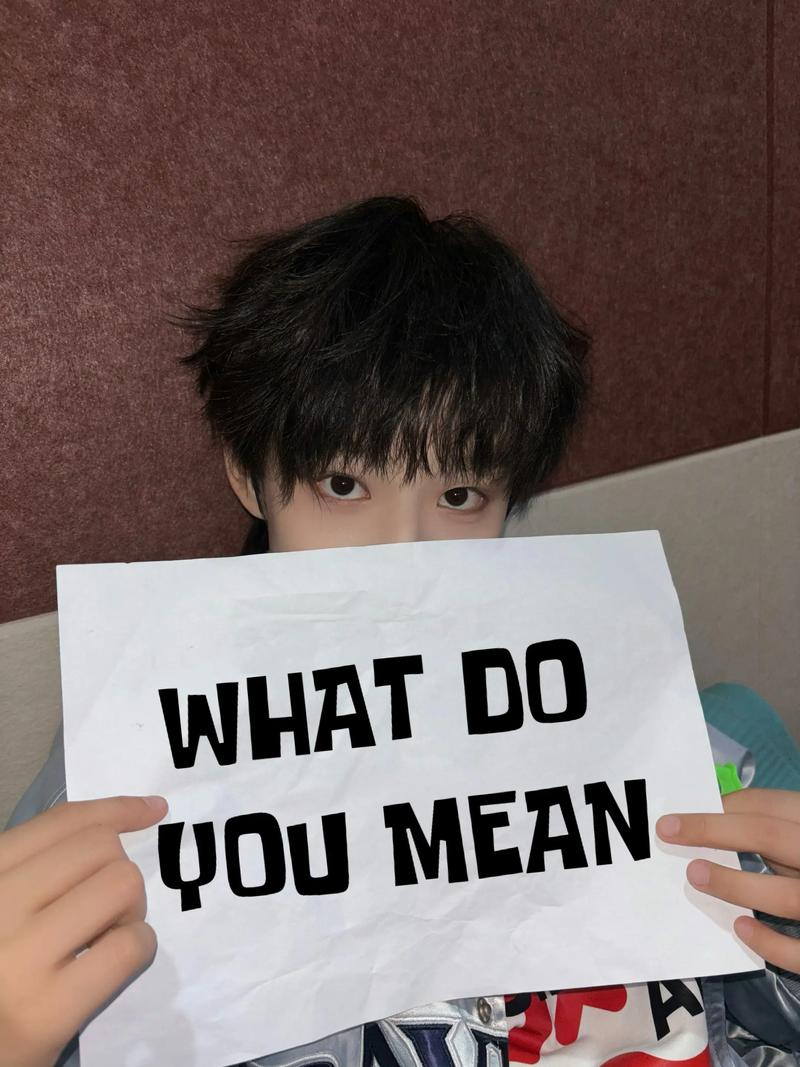
- Meaning: "Don't you agree?" or "Right?"
- Tone: Friendly, conversational, seeking a shared feeling.
- Example:
- "That was the best movie ever, do you?"
- (Translation: "I loved that movie, and I'm assuming you did too, right?")
- Example:
- "This weather is amazing, do you?"
- (Translation: "I love this weather, don't you?")
As a Way to Show Support or Solidarity
This is a more modern, empathetic use. When someone shares a struggle, a feeling, or a relatable experience, saying "do you?" is a way of saying, "I feel you," or "I understand that completely."
- Meaning: "I feel that too." or "That's so relatable."
- Tone: Empathetic, supportive, understanding.
- Example (In a comment section):
- User A: "Sometimes I just want to cancel all my plans and stay in bed with my cat and a good book."
- User B: "Literally every weekend, do you?"
- (Translation: "That's me every weekend. I totally relate.")
As a Confident, Sassy, or Flirtatious Statement
This is a popular use in TikTok videos, especially in dance, fashion, or "get ready with me" (GRWM) content. The speaker is essentially saying, "This is me. This is what I do. You like it?" It's a form of self-assured expression.
- Meaning: "This is me. Deal with it." or "You like what you see?"
- Tone: Confident, bold, playful, flirty.
- Example (Caption on a video of someone confidently showing off an outfit):
- "I wear what I want, when I want. Do you?"
- (Translation: "I'm confident in my style. Are you confident in yours? Or are you going to judge me?")
- Example (Flirtatious):
- "I'm a sucker for a good sense of humor. Do you?"
- (Translation: "I find humor attractive. Do you have one?")
Summary Table
| Usage | Meaning | Tone | Example |
|---|---|---|---|
| Genuine Question | "Is that true?" | Curious, sincere | "You run 10k every morning? Do you?" |
| Rhetorical Challenge | "You really believe that?" | Sarcastic, judgmental | "You're still using that phone? Do you?" |
| Tag Question | "Don't you agree?" | Friendly, conversational | "That was a great video, do you?" |
| Show of Support | "I feel that too." | Empathetic, relatable | "I'm so tired today, do you?" |
| Confident Statement | "This is me. Like it?" | Bold, sassy, flirty | "I dance like nobody's watching. Do you?" |
So, next time you hear "do you?" on TikTok, pay attention to the context and the tone! It can mean anything from a simple question to a bold, confident statement.
作者:99ANYc3cd6本文地址:https://chumoping.net/post/2203.html发布于 2025-12-22
文章转载或复制请以超链接形式并注明出处初梦运营网